Roofing SEO · United States
Roofing SEO for contractors who intend to still be here after the storm
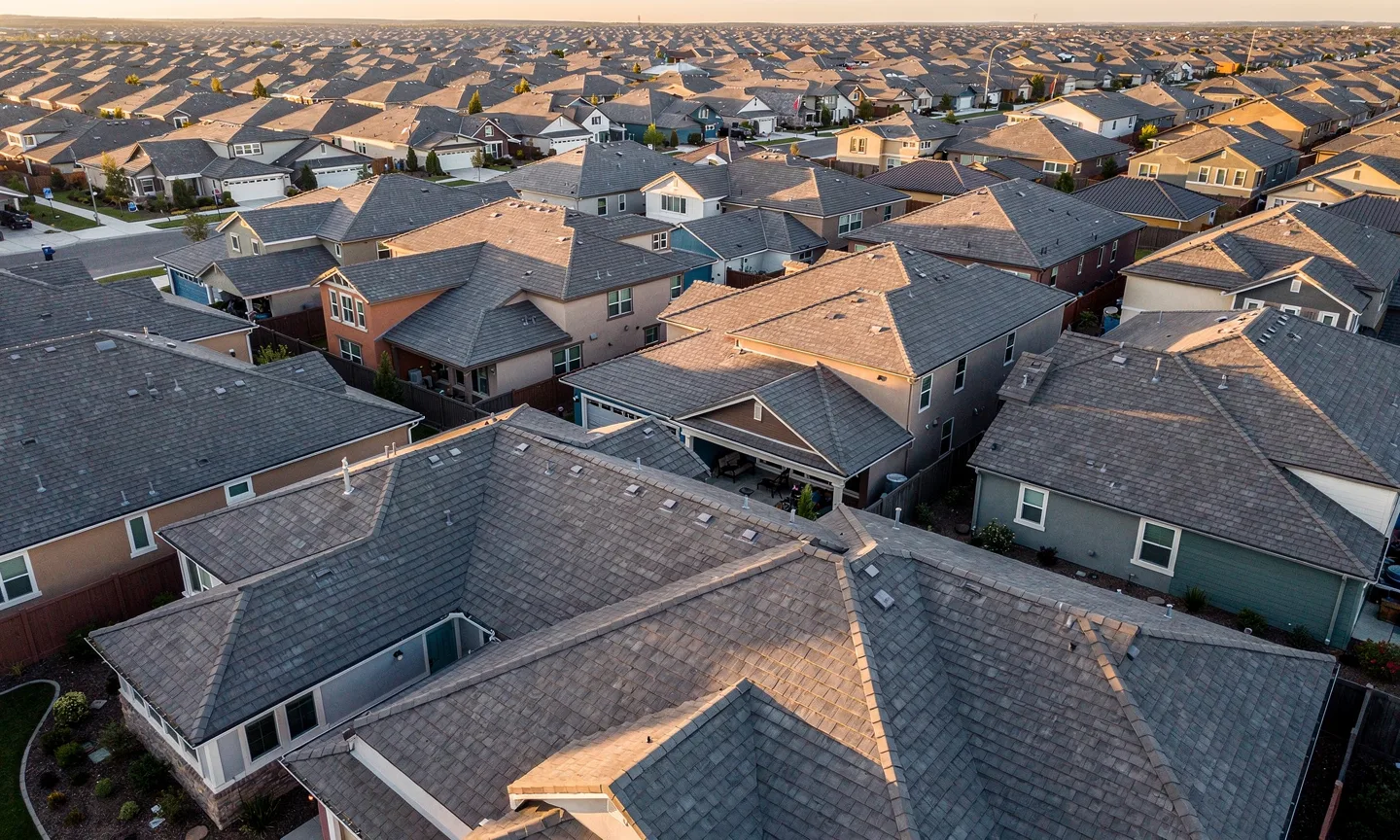
Roofing demand does not arrive evenly. It arrives as a wall of searches the morning after hail, from homeowners who are half in an insurance claim and half worried about paying for it. We build the search programme that catches all three moments in the towns you actually drive to. Leads you own, not leads you rent.
- roofing seo.2,400 a month.difficulty 7.
- seo for roofers.2,400 a month.difficulty 12.
- roofing leads.1,300 a month.difficulty 0.
- roofing company seo.1,000 a month.difficulty 8.
US search volumes and keyword difficulty pulled from DataForSEO, July 2026. Difficulty runs 0 to 100. These are genuinely winnable terms, which is why we built this page.
Short answer
What is roofing SEO, and why is it not just local SEO?
Roofing SEO is the work of getting a roofing company found in the map pack, the organic results and the AI answer box, for the towns it can actually drive to. The mechanics look like local SEO from a distance. Up close, four things make it a different job.
First, demand is event-driven. A dental office has a flat search curve. A roofer sees a sudden spike after severe storms. Pages must be indexed and ranked before the weather hits. Second, many homeowners are navigating insurance claims. They search for adjuster meetings and deductible rules rather than shingles. Third, budget-conscious buyers search for monthly financing options. Fourth, contractors operate as service-area businesses. Distance and service boundaries govern map pack visibility directly.
Get those four pillars right and search becomes an exclusive lead asset that you own. Get them wrong and you end up renting shared leads from brokers. If you prefer broader local organic guidance, our local SEO service covers multi-location storefronts and professional practices.
Six things a generic agency gets wrong
Roofing search does not behave like any other local trade
Generic agencies pitch standard monthly content calendars. That strategy fails for roofers. Roofing demand follows storms and seasonal replacements. Every priority below shapes what we build and when it launches.
Demand arrives in spikes, not a curve
A dentist gets roughly the same number of searches every week of the year. A roofer gets a flat line and then a wall. One hailstorm rewrites a county worth of search demand inside forty-eight hours. NOAA puts the highest hailstorm frequency in the country where Nebraska, Colorado and Wyoming meet, an area it calls hail alley, at seven to nine hail days a year. If your storm pages go live after the storm, you are publishing into a race you already lost.
Half your buyers are talking to an insurer
They are not searching for a roof. They are searching for how a claim works, whether the adjuster was right, what actual cash value means next to replacement cost, and whether a denial can be re-opened. That is a completely separate query set from roof replacement near me, and almost no roofing site covers it properly. The contractor who answers those questions gets the call before the estimate stage.
The other half are asking about paying for it
A roof replacement represents a large unplanned expense. Many homeowners search for financing options, deductible rules, and partial repair viability. Addressing payment questions directly on your site builds immediate trust and keeps qualified prospects from bouncing.
You have a service area, not a storefront
Google categorizes contractors as service-area businesses. Official guidelines recommend hiding residential addresses and limiting coverage to a two-hour driving radius. Flawed setups trigger address verification flags or dilute local ranking signals.
Seasonality is regional and unforgiving
Roofing seasons vary widely by geography. In northern states, cold weather limits roof installations for months. Spring replacement pages must be indexed by January to capture seasonal demand. Our search strategies align strictly with regional weather cycles.
Emergency and planned are two different buyers
Emergency callers need fast phone access during active leaks. Planned replacement buyers compare estimates and research shingle warranties over weeks. We build targeted landing pages with fast mobile click-to-call flows for both customer journeys.
The map pack is the whole game
You serve a driving radius, not a street address
Google names three factors behind local ranking: relevance, distance and prominence. Roofers get judged hardest on the second, because distance is measured from whoever is searching. That single fact should shape how you draw your service area, which towns get their own page, and how honest you are about where you really work.
- Hide the address, keep the location.Google says a service-area business should hide its address, and uses a tradesperson working from home as the example.
- Two hours of driving is the published ceiling.Its guidance says your overall service area should not extend farther than roughly two hours of driving from your base.
- Distance is a ranking factor, not a preference.Claim five counties and you will lose the map pack in most of them to a roofer who is simply closer.
- Prominence is partly reviews.Google states review count and rating feed prominence, along with how many sites link to you.
Nearly every roofing site we look at breaks at least one of these, usually by claiming a service area the size of a state. Narrowing it feels like giving up territory. It is normally the fastest visibility gain available.
The programme
Nine things a roofing SEO programme actually does
In roughly the order they happen. If a roofing SEO proposal is mostly items eight and nine with a monthly blog attached, the foundation work has been skipped and the blog will not save it.
- 01
Google Business Profile audit and citation cleanup
For a roofing contractor, your Google Business Profile drives more immediate phone calls than any blog post. We configure primary categories, hide or display service addresses in line with Google guidelines, and verify driving radiuses. We audit citations across BrightLocal and Whitespark, ensuring name, address, and phone numbers match your state contractor license.
- 02
City pages with job proof from CompanyCam and EagleView
Google ranks local roofers partly on proximity. We build dedicated landing pages for each city you genuinely serve. Instead of repetitive doorway text, each page features real project locations, drone imagery, and aerial measurement data synced from CompanyCam, Hover, and EagleView reports.
- 03
Service architecture mapped to residential and commercial trades
Roof replacement, storm repairs, emergency tarping, gutters, and commercial systems like TPO, EPDM, and modified bitumen need separate URL silos. Splitting these prevents keyword cannibalization and routes estimates directly into field CRMs like Jobber, ServiceTitan, or AccuLynx.
- 04
Pre-storm damage content published before hail season
Publishing hail damage content after a storm hits is too late; search engines take weeks to index and rank new pages. We build weather-event landing pages months ahead. Homeowners search for hail size thresholds, insurance adjuster processes, and emergency inspection steps before storm chasers arrive.
- 05
Insurance claims and adjuster documentation guides
Actual cash value versus replacement cost value, depreciation schedules, and insurance supplement protocols are typed by homeowners every day. Providing unbiased claims guidance positions your team as trusted local experts before adjusters arrive on site.
- 06
Financing calculators integrated with Roofr and SumoQuote
Cost is the number one friction point in roofing. We build interactive payment calculators and quote estimate funnels integrated with Roofr, SumoQuote, or Leap workflows. Homeowners explore monthly payment options on your site instead of bouncing back to competitor directories.
- 07
Review generation integrated into CRM job closeout
Google states that review count and sentiment directly affect map pack prominence. We automate customer review requests triggered when a job completes in AccuLynx, Jobber, or ServiceTitan, helping happy property owners leave detailed feedback on Google Business Profile.
- 08
Mobile-first performance engineered for homeowners in driveways
Emergency buyers looking at water leaking through a ceiling will not wait for slow sliders. We build lightweight, sub-second pages with click-to-call buttons and instant inspection request forms engineered for one-handed phone use.
- 09
Technical health monitoring and AI search optimization
We monitor crawl health and indexing status via Google Search Console and Screaming Frog. We track local map pack visibility in Semrush and Ahrefs. Structured schema markup ensures AI Overviews and answer engines quote your roofing specifications accurately.
Items eight and nine live with our web design team and our AI SEO practice. That matters more than it sounds: most roofing SEO vendors write a ticket asking someone else to make the site faster, then wait. We build the site, so the fix ships.
Four ways roofers get work
SEO vs bought leads vs paid ads vs knocking doors
An honest side by side, including where each one fails. We sell the first column and we will still tell you to use the third when crews are idle next week. The roofers who stay busy run several of these at once.
| What you are comparing | Roofing SEO | Bought leads | Paid search | Canvassing |
|---|---|---|---|---|
| Who owns the lead | You. It arrives on your own property | The marketplace. You are renting access | You, for exactly as long as you keep bidding | You, and your crew earned it door by door |
| Exclusivity | Exclusive. The homeowner called you | Usually shared with several other roofers | Exclusive click, competitive auction | Exclusive, until the next knock |
| Speed to first lead | Slow to start, weeks to months | Immediate. Same day if you want | Fast. Days | Immediate, and entirely people-limited |
| What happens over time | Compounds. Rankings hold after you pause | Flat. Stop paying, stop receiving | Flat. Stop bidding, phone goes quiet | Flat, and capped by headcount |
| When a storm hits your market | Wins if the pages were already ranked | Prices surge exactly when demand does | Auction gets crowded fast by storm chasers | Extremely effective, and so is everyone else |
| Typical lead quality | High. They chose you and read your site | Mixed. Speed to dial decides the sale | Good, though claim-shoppers are common | Variable, and heavy on tyre-kickers |
| What kills it | Impatience, and doorway page shortcuts | Margin erosion and shared-lead fatigue | Bid inflation and a weak landing page | Crew turnover and permit rules |
| Best when | You intend to be in this market for years | You need volume this week to keep crews busy | You need control over which jobs come in | A storm just hit and you have people ready |
Scroll the table sideways on smaller screens. The honest summary: bought leads and ads solve this month, search solves next year, and only one of the four keeps working after you stop paying for it.
Who else you are looking at
The roofing SEO market already has real specialists
We pulled the live US results for the roofing SEO queries on this page in July 2026. Here is who actually shows up, with their observed average positions. Several of them are good. You should know that before you talk to us, not after.
Roofing only, and it shows
Shows up on three of the roofing SEO queries we pulled at an average position of 3.7. They have been doing roofing and nothing but roofing for a long time. If what you want is a vendor who has already seen a thousand roofing sites, they are a genuine answer and we will say so.
The narrowest focus in the set
Ranks first for roofing seo services, a term with about 720 searches a month, and fourth for seo for roofing companies at roughly 1,000 a month. A domain built to own one phrase, doing exactly that. Hard to out-rank on the head term by trying to be more roofing than them.
Small footprint, very high placement
Appears on only two of these queries but averages position 2.5 when it does. That is the profile of a specialist that has earned real trust on a narrow set of terms rather than spraying content everywhere.
Exact-match domain, mid-page
Three appearances at an average position of 7.7. Proof that an exact-match domain still gets you onto the page in this category, and also that it is no longer enough on its own to get you to the top of it.
Home services generalist at scale
Three appearances averaging 10.7. Roofing is one vertical inside a much larger home services operation. Bigger team, broader capability, and roofing is not the only thing anyone there thinks about on a Tuesday.
Not an agency at all
Averages position 2.5 across the queries where it appears, and it is a software company. It ranks on the strength of a large content library attached to a brand contractors already trust. Worth knowing, because you are frequently competing with software marketing rather than with another agency.
The widest footprint in the set
Appears on eleven of these queries at an average position of 3.8, the broadest coverage of anyone here. A large generalist agency that treats roofing as one of many verticals and wins on sheer domain strength.
Volume player, mid-page average
Five appearances at an average position of 11.4. Enormous content operation, roofing handled as one page in a very large library. Present on almost everything, dominant on comparatively little of it.
What we do differently
- We build the website as well as the search programme, so the speed and structure fixes ship instead of sitting in someone else’s backlog
- One senior person runs the account. The founder scopes it, does the analysis and shows up on the calls
- We treat AI answer engines as a target in their own right, which almost nobody in the roofing-specific set is set up for yet
- We will not sell you a national roofing package if you serve three counties, and we will say so on the first call
- We will tell you when paid search or Local Services Ads is the faster answer, even though it is not what we are selling
Where we honestly stand
- FactoryJet has 44 referring domains. Large competitors in this space have hundreds or thousands. We are the challenger and we are not going to pretend otherwise
- Our own visible US rankings today include position 10 for local seo nashville and position 8 for seo agency austin texas. Climbing, not arrived
- We are not a roofing-only shop. If your only criterion is roofing tenure, roofingwebmasters.com has more of it than we do
- We publish no client counts, no invented case study numbers and no testimonials we cannot stand behind
We would rather lose a deal to a specialist who suits you better than win one by inflating what we have done. If that reads as a strange thing to put on a sales page, it is the same reason we will tell you when your Business Profile, not your blog, is the actual problem.
Honest fit check
When roofing SEO is the wrong thing to buy
A mismatched engagement wastes your season and our reputation, and roofing has a short season. Read both columns before you book a call.
A strong fit
- You intend to be working the same service area in three years, not chasing storms across states
- You are paying a lead marketplace and want to reduce that dependence rather than grow it
- You do both residential and commercial and the two are currently jammed onto the same pages
- Your site was built by whoever built it, and nobody has looked at mobile speed since
- You have finished jobs and happy customers but almost no reviews to show for them
- You want the storm pages ranked before the next season, not written after it
A poor fit
- You need the phone ringing next week to keep crews paid. Buy ads or buy leads, then start this
- You are a storm-chasing operation that will not be in this market next season
- You want three hundred city pages for towns you have never worked in, which is how roofing sites get penalised
- You are expecting guaranteed rankings, which Google itself says nobody can promise
- Nobody on your side can answer the phone or reply to a form inside a few hours
If you are a smaller owner-run roofer without a marketing person, our small business SEO programme is scoped for that. If you just want to know what is broken before committing to anything, start with an SEO audit.
Check us against the source
Where the claims on this page come from
You should not take a marketing company’s word for how Google treats roofers. Three primary sources back the specific claims we make above. Open them before you hire anyone, including us.
Service-area businesses
Google states that service-area businesses should hide their address, using a tradesperson working from a residential address as the example, and that the overall service area should not extend farther than about two hours of driving time from where the business is based.
Read the sourceHow local ranking is decided
Google names three factors: relevance, distance and prominence. It says prominence is partly based on how many websites link to you and how many reviews you have, that more reviews and positive ratings can help local ranking, and that replying to reviews helps you stand out.
Read the sourceWhere hail actually falls
NOAA reports that Nebraska, Colorado and Wyoming usually have the most hailstorms, and that the area where the three states meet, known as hail alley, averages seven to nine hail days a year. This is why storm content has to be regional and has to be early.
Read the sourceSearch volumes and keyword difficulty quoted on this page come from DataForSEO, United States, pulled July 2026. Competitor positions are the observed averages across the roofing SEO queries we sampled on the same date. Rankings move, so treat them as a snapshot rather than a permanent scoreboard.
Who you actually work with
The details decide it, same as on the roof
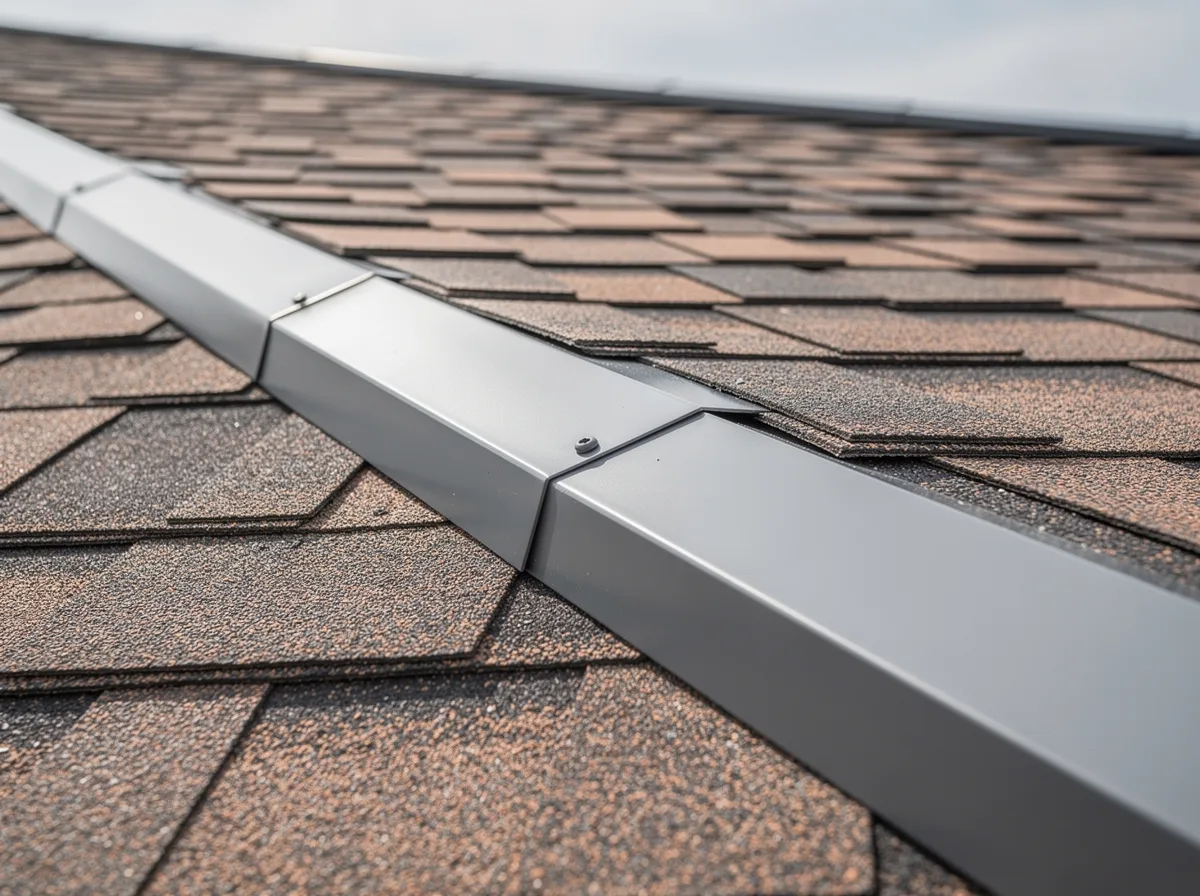
A roof fails at the flashing, the valleys and the penetrations, not in the middle of a clean slope. Search works the same way. Sites lose on the unglamorous joins: a service area drawn wrong, nine city pages saying the same thing, a phone number that is not tappable. We work the joins.
- Founder-led analysisThe person who scopes the work is the person who does it
- Search and build in one teamWe design and develop sites too, so fixes ship rather than queue
- Classic search and AI answers togetherMap pack, blue links and citation inside AI summaries in one plan
- No invented numbers, everNo fabricated case studies, no borrowed testimonials, no guaranteed rankings
Reviewed & updated July 26, 2026· Bhavesh Barot, Founder, FactoryJet
Where to go next
Related services
Local SEO
Map pack, Google Business Profile and near-me search for any service-area business, roofing or otherwise.
Explore →SEO audit
Find out what is actually broken before committing to a programme. A prioritised fix list you can act on.
Explore →AI search and SEO
The done-for-you retainer: technical, content and authority work, plus getting named inside ChatGPT, Perplexity and Google AI Overviews.
Explore →Small business SEO
Scoped for owner-run contractors without a marketing department or an in-house marketer.
Explore →Web design
Roofing website design built for phone speed, tappable calls and forms people finish while annoyed.
Explore →Roofing SEO FAQ
The questions roofers actually search
Thirty-six answers covering how roofing SEO works, where leads really come from, how the map pack judges a service-area business, what drives scope, and a few trade questions homeowners keep asking you. If yours is not here, send a short brief and we usually reply within one business day.
Topics
Can’t find your answer?
Talk to the founderRoofing SEO basics
What is roofing SEO?
Roofing SEO is the process of getting your roofing business found when local property owners search for roof replacement, storm repairs, or commercial installation. It targets Google map packs, organic rankings, and AI summaries with verified service-area signals and technical schema.
What are the 4 types of SEO?
The four types are local SEO (Google Business Profile and local citations), on-page SEO (service and city page content), technical SEO (page speed and structured data), and off-page SEO (industry links and supplier citations). For roofers, local and technical SEO deliver the highest immediate return.
Do I need a new website, or can you optimise the one I have?
We optimize existing websites whenever possible. A complete rebuild is only recommended if your current platform cannot pass Core Web Vitals on mobile, lacks clean URL architecture for city pages, or blocks essential schema markup.
How do storm chasers affect local roofing SEO?
Out-of-state storm chasers flood search ads after major hailstorms. A strong local SEO foundation with verified local citations and Google Business Profile reviews keeps your trusted company ranking at the top of organic search and local map packs.
Roofing leads
How do I get roofing leads?
Sustainable roofing lead generation combines local organic search and map pack visibility with customer referrals and paid ads. Organic search builds an exclusive lead asset that you own, reducing your reliance on shared lead brokers.
How does drone footage improve roofing lead conversion?
Embedding clear drone inspection videos and aerial damage photos on service area pages builds instant homeowner trust. Verified inspection photos prove real local job activity and help homeowners visualize hail or shingle damage clearly.
Should I buy roofing leads?
Bought marketplace leads can provide quick temporary volume, but they are typically sold to three to five competing contractors simultaneously. Building organic search authority generates exclusive leads where homeowners contact your company directly.
Do you generate commercial roofing leads too?
Yes. Commercial roofing requires dedicated landing pages targeting property managers, facility directors, and HOAs. Content focuses on commercial membrane systems like TPO, EPDM, and metal, roof coatings, warranty terms, and preventative maintenance agreements.
Local, reviews & marketing
Does my roofing company need a physical address to rank?
Google categorizes roofers as service-area businesses. You need a verified physical address to establish your Google Business Profile, but guidelines allow you to hide your street address while defining a driving radius of up to two hours.
How far can my roofing service area realistically reach?
Google allows service-area designations up to two hours of driving time from your base. However, map pack prominence is strongest within 20 to 30 miles. It is more profitable to dominate three key counties than to dilute relevance across twelve.
Do reviews actually affect roofing rankings?
Yes. Google explicitly names review count and review velocity as primary prominence factors for local map rankings. Consistently gathering customer reviews mentioning specific roofing services and replying to each review directly improves visibility.
Scope, timing & results
What is the best CRM for roofing companies?
Top roofing CRMs include AccuLynx, Jobber, and ServiceTitan. They manage job estimating, CompanyCam photo integration, and invoicing. We ensure your website tracking sends lead attribution data directly into your CRM so you know exactly which keywords produce revenue.
How long does SEO usually take for a roofing company?
Google Business Profile optimizations and citation cleanups often show initial ranking improvements within 30 to 60 days. Competitive city pages and storm-related organic rankings compound over three to six months as domain authority grows.
How do you measure whether roofing SEO is working?
We track leading metrics like map pack rankings across your target zip codes, organic impressions in Google Search Console, and phone clicks. We tie these directly to booked roof inspections and signed job revenue inside your CRM.
AI search & 2026
Do AI Overviews and ChatGPT change roofing SEO?
AI Overviews answer broad informational queries directly in the search results. For contractors, success means structuring content so AI engines cite your business as the authoritative local source, while transactional searches continue driving direct phone calls.
Do you guarantee first-page rankings for roofing keywords?
No ethical agency guarantees specific rank positions, and Google explicitly warns against firms that do. We guarantee rigorous technical execution, transparent reporting, and proven search architecture built to outperform competitors sustainably.
Is it worth paying for SEO services?
For established roofing contractors looking to build a sustainable pipeline of high-margin retail and commercial replacements, SEO offers one of the lowest customer acquisition costs across digital channels.
Roofing trade questions
What is the 25% rule for roofing?
In many building codes, if more than 25 percent of a roof system is damaged or replaced within a 12-month period, the entire roof section must be brought up to current code. This frequently turns partial repairs into complete insurance replacements.
What are the signs of a bad roofing job?
Common indicators include crooked shingle courses, mismatched lot colors, missing drip edges, reused flashing, improperly spaced nails, and neglected ridge ventilation. Highlighting verified installation standards on your site reassures homeowners.
How long does a roofing job usually take?
A standard residential architectural shingle replacement on a 2,500-square-foot home typically takes one to two days. Complex steep-slope architectural tile, synthetic slate, or large commercial flat roofs can take three to five days.
BEFORE THE NEXT SEASON
Find out what is actually holding your roofing leads back
Book a call with the founder. We will look at your Business Profile, your service area setup, your site speed on mobile and the queries in your market, then tell you plainly whether search is worth building for you or whether you should spend the next quarter somewhere else.
Founder-led. No guaranteed rankings, no invented case studies, and you own the site and the roadmap.