"In B2B, buyers take calculated risks and trust is never assumed. This guide explains how website design builds credibility for high value business decisions."
Key Takeaways
- 1Certifications and compliance badges should be visible without scrolling.
- 2Real images of teams, offices, and factories build far more trust than stock photos.
- 3Client testimonials work best when they include names, roles, and company details.
- 4Clear contact details and privacy information reduce hesitation.
- 5Consistency in design and messaging reinforces legitimacy.
Trust is the foundation of every B2B transaction. When a buyer from another country considers sending a large advance payment to a company they have never visited, the website becomes the primary source of reassurance.
In many industries, the website is the first and sometimes the only touchpoint before serious discussions begin. If the site feels unclear or artificial, buyers hesitate or move on quietly.
Trust does not come from loud claims. It comes from consistency, clarity, and evidence. Good B2B websites do not try to impress. They try to reassure.
Why Trust Matters More in B2B
B2B purchases involve longer decision cycles, higher financial stakes, and multiple stakeholders. Buyers evaluate risk carefully before committing.
A weak website increases perceived risk. Even if pricing and product quality are competitive, lack of trust delays decisions.
Certifications and Compliance Signals
Certifications such as ISO, industry memberships, and regulatory approvals act as third party validation. They show that the business meets external standards.
These signals should be easy to find. Hiding them deep inside pages reduces their impact.
The Power of Real Visuals
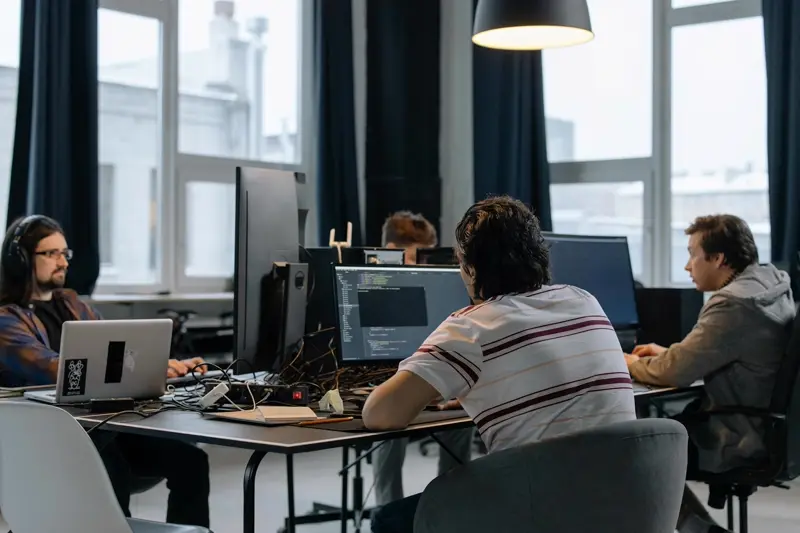
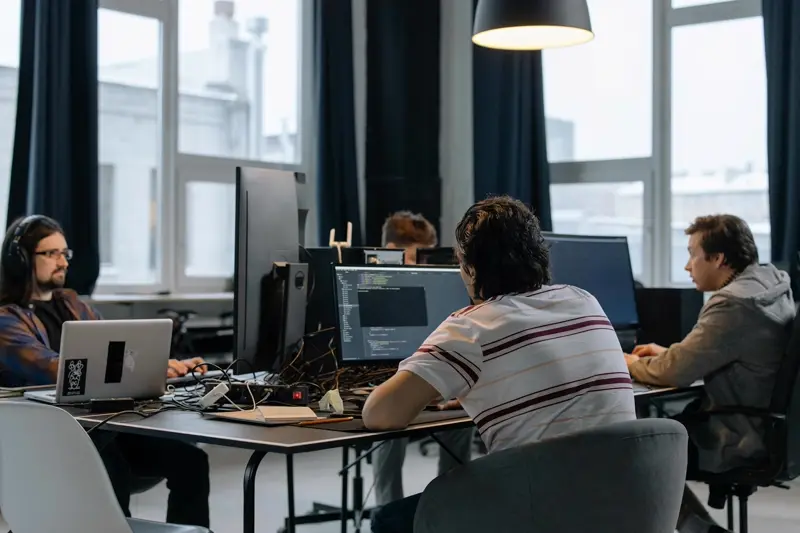
Real photos build confidence. They show transparency and authenticity. Buyers understand that real operations are not perfect, and that honesty matters.
Stock photos create distance. They make the business feel generic and unverified.
Is your website losing customers?
Stop losing customers to competitors. Check your website score now and get a free optimization report.
Testimonials That Actually Work
Testimonials are strongest when they provide context. Names, roles, and company details matter.
Short and specific testimonials outperform long generic praise.
Contact Transparency Builds Confidence
Clear contact details reduce friction. Buyers want to know who they are dealing with and how to reach them.
A visible address, working phone number, and professional email signal accountability.
Design Consistency and Structure
Consistent fonts, spacing, and layout make a site feel reliable. Inconsistencies suggest rushed execution.
Simple and predictable navigation helps buyers find what they need without confusion.
Trust Is Built Through Details
Small details add up. Clear language, correct grammar, and accurate information reinforce credibility.
The goal of a B2B website is not to look impressive. It is to make the buyer feel safe enough to start a conversation.
Planning a website
Tell Us What Your Website Needs to Do
You get a fixed quote that lists every page and integration before any work starts.
Frequently Asked Questions
What is a trust signal on a website?
Why are trust signals important in B2B?
Do certifications really matter?
Should certifications be placed on every page?
Are testimonials effective without photos?
Is it okay to use stock photos?
Why do buyers distrust stock photos?
Does website design really affect trust?
Where should contact details be displayed?
Should I show my physical address?
Do logos of clients help?
Is it okay to mention government registrations?
Does SSL certificate matter for trust?
Should privacy policy be visible?
Does content tone affect trust?
Is a long About page necessary?
Should founders be visible on the site?
Do awards help conversion?
Is consistency across pages important?
Can poor grammar reduce trust?
Does website speed affect trust?
Should testimonials be verified?
Do case studies build trust?
Is social proof relevant in B2B?
What is the biggest trust mistake?

Bhavesh Barot
Founder & CEO
Founder & CEO of FactoryJet, an ecommerce and AI services company that has served 500+ businesses across the US, UK, UAE, and India. Writes about ecommerce builds, AI agents, and AI search.
Related reading
- NYC B2B & Corporate Web Design: What Manhattan and Brooklyn Companies Should Demand From Their Agency in 2026NYC has more than 5,000 digital and web design agencies in the metro area. For a B2B or corporate buyer, that abundance is a problem, not a feature. This guide breaks down what serious Manhattan and Brooklyn companies should actually demand from their web design agency in 2026: performance specs, ADA accessibility, NY Shield Act data handling, NY Rules of Professional Conduct for legal sites, and the buyer archetypes (FinTech, law, consumer DTC, enterprise SaaS, PropTech) that change everything about what "good" looks like.
- What Does a Web Design Agency Actually Do in 2026? (Beyond Just Building Websites)Modern web design agencies deliver strategic digital infrastructure: performance-optimized builds, AI integration, conversion architecture, ongoing technical maintenance, and search visibility engineering. The 2026 scope extends far beyond visual layouts into measurable business systems.
- Best Web Design Agency for US Small Businesses in 2026: What to Look ForThe best web design agency for a US small business in 2026 scores above 90 on Lighthouse, delivers in under 4 weeks, provides transparent fixed pricing, and supplies verifiable US client references, not just a polished portfolio. This guide gives you the exact criteria, the questions to ask, and the red flags that predict expensive mistakes.
- Mobile-Only Design vs Responsive Design: The Complete 2026 Strategy GuideMost users never open your site on a laptop. This guide compares mobile-only design and responsive design, explains why mobile-first is no longer optional, and covers the UX patterns that convert in 2026.
- Will AI Replace Web Designers? An Honest 2026 AnswerWe are an AI-native agency, so we have every reason to overhype this. Here is the honest version instead: exactly what AI does well in web design right now, the six things it reliably fails at, and what that means if you are hiring a designer or working as one.